Hen Embroidery Design: A Pro Review for Merch
As an embroidery designer who has spent years digitizing and reviewing files for commercial use, I approach every new machine embroidery design with a critical eye. It is not just about whether the image looks cute on a screen; it is about how it performs under the needle, how it holds up after fifty washes, and how it elevates a brand’s perceived value. Today, I am reviewing the Hen Embroidery Design, Chicken Embroidery, a digital asset that sits squarely in the Farm Animals category but offers much more than rustic charm for the right business.
For small business owners, Etsy sellers, and apparel decorators, finding the right digital embroidery file is often the difference between a product that sells and one that gathers dust. This review evaluates the Hen Embroidery Design, Chicken Embroidery specifically through the lens of branded merchandise, looking at its potential for patches, uniforms, and boutique goods.
First Impressions: Visual Personality and Brand Fit
The first thing I look for in a design is its visual personality. Does it feel professional? Is it playful or elegant? The Hen Embroidery Design, Chicken Embroidery strikes a balance that is increasingly popular in modern branding: it feels friendly, handmade, and approachable without sacrificing clarity. For businesses in the bakery, florist, pet brand, or local café sectors, this aesthetic is gold. It communicates warmth and authenticity, two traits that drive customer trust in the handmade market.
However, "friendly" does not mean "amateur." When reviewing the outlines and fill patterns, I look for clean transitions. A messy design can ruin a premium garment. This design appears to prioritize clear shapes, which is essential for maintaining legibility when scaled down for smaller applications like chest logos or sleeve details.
Real-World Business Applications
Let us move beyond theory and discuss where this design actually works in a commercial setting. The product description notes that it can be used on kitchen towels, tablecloths, aprons, and clothing pieces. Here is how I would deploy this embroidery file for maximum ROI:
- Staff Uniforms and Aprons: For a farm-to-table restaurant or a boutique bakery, embroidering this hen on the chest of an apron creates instant brand recognition. It turns staff into walking billboards. The rustic vibe aligns perfectly with organic or artisanal brand identities.
- Embroidered Patches: This is perhaps the most versatile use. By creating a saturated, high-density version of the design, you can produce iron-on or sew-on patches. These can be sold as standalone accessories or added to denim jackets, tote bags, and caps. Patches allow customers to customize their own gear, increasing engagement.
- Tote Bag Design: Canvas totes are a staple for craft fairs and retail shops. A centered Hen Embroidery Design, Chicken Embroidery adds significant perceived value to a simple bag, allowing you to charge a premium for what is essentially a low-cost blank.
- Cap Embroidery: A small, simplified version of this design works well on the front panel of a dad hat or trucker cap. It serves as a subtle brand mark rather than a loud graphic, appealing to customers who prefer understated style.
Technical Considerations for Production
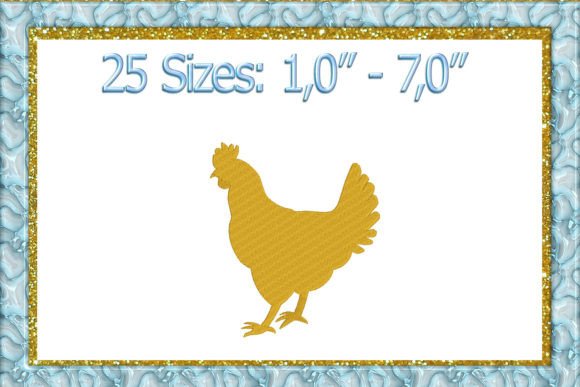
While the artistic merit is strong, the technical execution is where many designs fail. As a designer, I must warn you to check the specific details of this file before running a full production batch. The description states it comes with multiple embroidery files, which is standard, but you must verify the hoop size compatibility with your machine.
Stitch density is another critical factor. If the design is too dense, it will cause puckering on lightweight fabrics like cotton aprons or thin t-shirts. Conversely, if it is too sparse, the backing fabric may show through, especially on dark uniforms. I recommend testing the design on a scrap piece of the exact fabric you intend to use. Pay close attention to the thread colors chosen. High contrast is key for visibility from a distance, but subtle tonal shifts can look more premium on high-end merchandise.
Additionally, consider the stabilizer required. For items that will undergo frequent washing, such as kitchen towels and work shirts, using a cut-away stabilizer is often safer than tear-away to prevent distortion over time. Always test wash your sample before delivering the finished product to a client.
Where to Use Caution
Not every surface is suitable for every design. While the Hen Embroidery Design, Chicken Embroidery is versatile, there are limitations. Avoid using highly detailed versions of this design on curved surfaces like the side of a cap unless the digitizer has accounted for push-and-pull distortion. Similarly, be cautious with tiny lettering if the design includes text elements; small stitches can merge and become illegible after a few washes.
If you are working with textured fabric, such as thick wool or terry cloth, ensure the design has enough satin stitch coverage to bridge the texture gaps. Otherwise, the image may look fragmented. Always create a printable mockup or a physical sample to confirm the design assets translate well to the specific material.
Enhancing Brand Identity and Trust
Ultimately, embroidery is about brand identity. A well-executed custom apparel piece signals quality and attention to detail. When a customer receives a tote bag or shirt with crisp, clean embroidery, their trust in your brand increases. The Hen Embroidery Design, Chicken Embroidery supports this by offering a cohesive visual element that can be repeated across various touchpoints—from employee uniforms to customer gifts.
Consistency is key. Use this design alongside your other design assets to create a unified look. Whether it is on a product label, a hang tag, or the merchandise itself, the visual consistency reinforces professionalism. For Etsy sellers and handmade brands, this level of polish can justify higher price points and foster buyer loyalty.
Final Designer Notes
Before you commit to large-scale commercial embroidery projects using this file, follow these practical steps:
- Test in Black and White: Remove color variables to check if the shape and structure hold up. If it looks muddy in grayscale, it may lack definition.
- Check Scale: Ensure the design works at the smallest size you plan to use, such as a small patch or pocket logo.
- Verify Licensing: Confirm the commercial licensing terms included with the digital embroidery file. Never assume a file is free for resale without explicit permission.
- Compare Assets: Place this design beside your existing logo and branding elements to ensure visual harmony.
The Hen Embroidery Design, Chicken Embroidery is a strong contender for small business merchandising. It offers the warmth of a handmade product with the scalability needed for growing brands. By paying attention to technical details like fabric texture, stabilizer choice, and stitch density, you can transform this simple farm animal motif into a powerful tool for brand building. Always prioritize quality control, and let your embroidery speak for the professionalism of your business.