Review: Royal Flower Embroidery Design for Craft Fairs
As an embroidery designer who has spent countless weekends behind a booth table, I know that not every machine embroidery design translates well to the physical marketplace. Some look beautiful on a screen but get lost in the chaos of a craft fair. Today, I am putting the Royal Flower Embroidery Design under the microscope. This is not just a critique of aesthetics; it is a practical evaluation of how this specific digital embroidery file performs as a craft fair product and a revenue driver for your small business.
First Impressions: Elegance Meets Artistic Flow
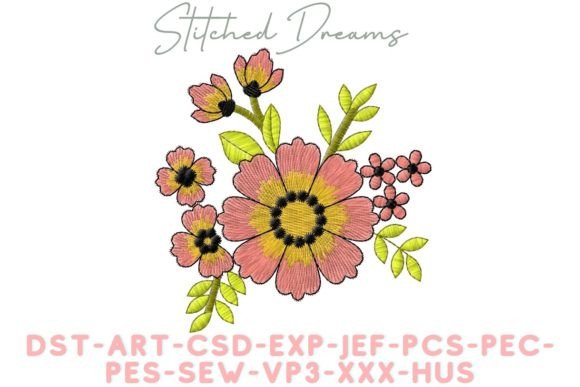
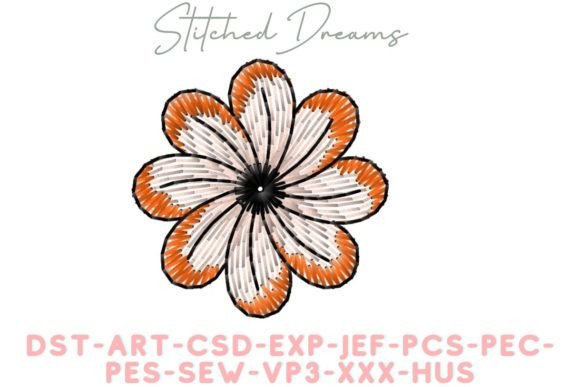
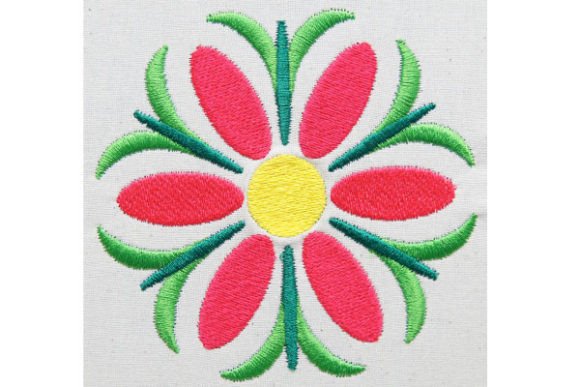
The title alone sets a high expectation. "Royal" suggests dignity, premium quality, and perhaps a touch of vintage grandeur. Upon reviewing the description, which notes that the arrangement takes on an artistic shape paying homage to beauty, I immediately categorize this within the Single Flowers niche. However, this is not your standard daisy or simple rose. The term "artistic shape" implies movement and fluidity, likely making it more decorative than botanical.
For a handmade market, this design feels elegant and premium. It does not scream "cute" or "funny," which limits its audience slightly but increases its perceived value. Customers looking for a quick gag gift might scroll past, but buyers seeking a sophisticated handmade product for a mother, teacher, or hostess will stop. The visual weight of a royal flower commands attention without being overly busy, making it an excellent candidate for brands that want to project consistency and quality.
Product Application and Booth Strategy
When preparing my table display, I always ask: where does this design shine? For the Royal Flower Embroidery Design, the answer lies in items that offer a smooth, stable canvas. Here is how I would deploy this asset across various products:
- Tote Bags: A large-scale version of this design works beautifully as a central tote bag design. The artistic flow allows it to fill space gracefully without looking cramped. It turns a basic canvas bag into a statement piece.
- Aprons: For apron embroidery, placement is key. Placing this flower on the bib or the lower corner adds a touch of class to kitchen wear. It appeals to customers who view cooking as an art form.
- Tea Towels: This is tricky. While tea towel embroidery is popular, the "royal" nature of the design requires a high-quality linen or cotton blend. Avoid textured waffle weaves if the design has fine details, as the fabric texture can distort the stitches.
- Patches and Pouches: As an embroidered patch, this design could be a bestseller. Patches allow customers to buy a lower-priced item that still features the intricate artwork. It also works well on small fabric pouches where a full-sized design would be overwhelming.
I would avoid placing this on curved cap surfaces unless I am certain the digitizing accounts for the distortion. Caps are notoriously difficult for detailed floral work, and a "royal" aesthetic can look sloppy if the petals bunch up on the seam.
Production Practicality for Small Shops
For any Etsy seller or boutique maker, time is money. The Royal Flower Embroidery Design appears to be a focal point rather than an all-over print. This is advantageous for batch production. You can hoop multiple items quickly if the design fits within a standard hoop size. However, you must check the specific file details before purchasing. Does it come in 4x4, 5x7, or 6x10 formats? Knowing your available hoops is critical for planning your inventory.
Photography is another major factor. This design, with its artistic shape, should photograph exceptionally well for online listings. The contrast between the thread and the fabric will define the image. For a printable mockup or digital listing, ensure you use high-contrast thread colors. A gold or deep burgundy thread on a cream background will pop, whereas pastel-on-pastel may look washed out in photos, reducing click-through rates for your small shop product listings.
Careful-Use Notes and Technical Considerations
While the design is stunning, there are technical pitfalls to avoid. Because it pays homage to beauty through an artistic shape, it may contain dense stitch areas to create shading or depth. High stitch density can cause puckering on lightweight fabrics. Always use the appropriate stabilizer. For tote bags, a cut-away stabilizer is often safer than tear-away to prevent distortion after washing.
Additionally, be wary of tiny details. If the "royal" aspect includes intricate inner petals, these may get lost if you scale the design down too small. Test the design on scrap fabric first. Check the thread contrast. If you are using dark fabric, ensure the design includes underlay stitches that support the top threads, or consider using a lighter thread color to maintain clarity.
Enhancing Brand Value and Customer Engagement
Using a cohesive design like this strengthens your brand identity. If your booth features several items with the same Royal Flower Embroidery Design—a pillow cover here, a market bag there—it creates a curated collection. This visual consistency signals to buyers that you are a professional commercial embroidery artist, not just a hobbyist. It increases buyer engagement because customers start to recognize your style.
The design also serves as a powerful conversation starter. When a customer asks about the flower, you can talk about the artistic inspiration, adding emotional value to the finished product. This narrative helps justify a higher price point, moving your items from commodity goods to artisanal treasures.
Designer’s Checklist Before Production
Before you commit to stitching fifty units for the next fair, follow these steps:
- Test on Scrap Fabric: Never run a new design directly on saleable inventory. Check for thread breaks and tension issues.
- Verify License Terms: Ensure the digital embroidery file includes commercial rights. You need to be clear on whether you can sell finished products made with this design.
- Check Stitch Count: High stitch counts mean longer machine time. Calculate if the production cost aligns with your desired profit margin.
- Create Real Mockups: Do not rely solely on digital previews. Stitch one sample on each type of fabric you plan to use (canvas, linen, cotton) to see how the thread colors interact with the material.
- Review Spacing: Ensure elements of the flower are not too close together, which can cause thread nesting and cleanup headaches.
In conclusion, the Royal Flower Embroidery Design is a strong contender for artisans focusing on elegance and quality. It fits perfectly within the Embroidery category for those targeting a mature, appreciative audience. By respecting the technical requirements of stitch density and fabric choice, you can turn this artistic shape into a profitable staple of your craft fair inventory.