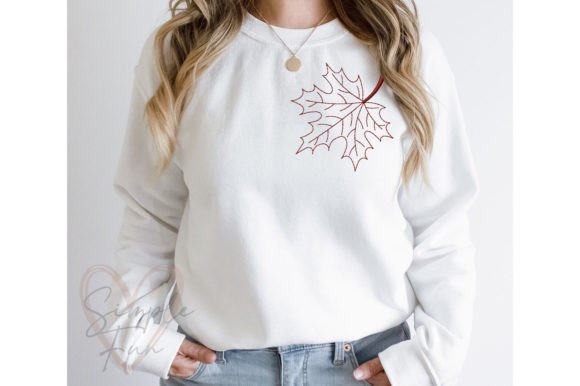
Reviewing the Fall Leaf Machine Embroidery Design
As an embroidery designer who spends countless hours digitizing and testing files for commercial use, I have learned that not every machine embroidery design is created equal. When seasonal trends hit, the market floods with generic patterns, making it difficult to find assets that truly elevate a handmade product. Recently, I took a close look at the Fall Leaf Machine Embroidery Design available on Creative Fabrica to determine if it holds up under the scrutiny of real-world production. This review focuses on its practical application for small business owners, Etsy sellers, and crafters looking to expand their autumn inventory.
First Impressions and Visual Appeal
The first thing that strikes you about this design is its ability to capture the essence of autumn without relying on cliché imagery. The visual mood is warm and inviting, perfectly suited for the cozy aesthetic that customers crave during the cooler months. The design features a beautifully detailed fall leaf, showcasing rich and warm hues that translate well into thread. For those of us who care about the stitching personality of a file, this piece avoids the flat, lifeless look of poorly digitized clipart. Instead, it offers a decorative appeal that suggests quality and attention to detail.
When considering this for a custom apparel line or home decor collection, the level of detail is crucial. It is intricate enough to be interesting but not so dense that it becomes a nightmare to stitch out on standard home machines. The balance between open space and filled areas allows the texture of the fabric to play a role in the final look, which is a hallmark of high-end commercial embroidery.
Performance in Real-World Projects
To truly evaluate an embroidery file, you must imagine it on various substrates. I mentally tested this leaf design across several common products sold by creative entrepreneurs. Here is how it performs in different scenarios:
- Tote Bag Design: The scale of the leaf works exceptionally well on canvas totes. It provides a focal point that is visible from a distance, making it ideal for farmers' market bags or library totes.
- Sweatshirt Embroidery: Placed on the left chest or as a larger back piece, the design adds a boutique touch to plain hoodies. The warm tones complement earth-toned garments like olive, rust, and cream.
- Kitchen Towels and Aprons: For hospitality items, this design adds a festive touch without being overly thematic. It fits naturally into a Thanksgiving table setting but remains elegant enough for general fall decor.
- Embroidered Patch: If you are creating iron-on or sew-on patches, the defined edges of the leaf allow for clean cutting. Ensure you use a tight satin stitch border if your machine allows, to prevent fraying on the patch backing.
For Etsy sellers, versatility is key. This design can be marketed as part of a personalized gift bundle, perhaps paired with monograms or other seasonal elements. Its adaptability means you can create multiple SKUs from a single digital embroidery file, maximizing your return on investment.
Technical Considerations for Stitching
While the aesthetic is strong, the technical execution determines whether a project succeeds or fails. When working with detailed nature-inspired motifs, stitch density is a primary concern. A design that is too dense can cause puckering, especially on lighter fabrics like cotton tea towels or baby blankets. Conversely, a design that is too sparse may look unfinished on heavy materials like denim or canvas.
Before committing to a full production run, I always recommend stitching a test sample on scrap fabric. Pay close attention to how the fill stitch interacts with your chosen material. If you are using textured fabric, such as linen or waffle weave, ensure the stitches are dense enough to cover the weave but not so tight that they distort the fabric's natural drape.
Another critical factor is the choice of stabilizer. For stretchy fabrics like sweatshirt fleece or jersey, a cut-away stabilizer is non-negotiable to maintain the shape of the leaf over time. For woven fabrics like aprons or tote bags, a tear-away stabilizer usually suffices, provided the stitch count is not excessive. Always hoop your fabric properly to avoid registration issues, particularly if the design includes fine details that require precise needle placement.
Navigating Fabric and Color Challenges
Color selection can make or break this design. Since the leaf showcases warm hues, it pairs beautifully with autumnal thread palettes. However, when stitching on dark fabrics, you must ensure there is sufficient contrast. A dark brown leaf on a black sweatshirt will disappear. In such cases, consider using metallic threads or lighter shades of orange and gold to create visual pop. Always compare light and dark fabric mockups before finalizing your product line.
Curved surfaces, such as caps, present another challenge. The leaf design must be positioned carefully to avoid distortion near the seams. If the design is too large, it may not lay flat on the front panel of a structured cap. Check the recommended hoop size in the product details to ensure it fits your equipment. If the design includes tiny lettering or extremely fine lines, inspect these areas closely after stitching. On lower-tension machines, fine details can sometimes bunch up or break.
Enhancing Product Value and Brand Consistency
Using high-quality design assets like the Fall Leaf Machine Embroidery Design directly impacts buyer trust. Customers can often distinguish between a hastily stitched generic pattern and a thoughtfully placed, well-digitized motif. This distinction enhances the perceived value of your finished product, allowing you to price your items competitively while maintaining healthy margins.
For brand consistency, this design fits seamlessly into a cohesive autumn collection. Whether you are selling nursery decor, pillow covers, or seasonal handmade gifts, the consistent use of this motif helps build brand recognition. High-quality stitching also improves product photography. A crisp, well-defined leaf looks stunning in lifestyle shots, driving higher engagement on social media and marketplace listings.
Final Verdict and Practical Advice
The Fall Leaf Machine Embroidery Design is a solid addition to any designer’s library, particularly for those focusing on seasonal Creative Fabrica embroidery projects. It balances aesthetic beauty with practical stitchability. However, success depends on proper preparation. Always verify the file details and licensing terms on the product page before selling finished items. While many designs come with commercial licenses, it is essential to confirm this for your specific use case.
Remember to check for specific file formats compatible with your machine, such as PES, DST, or JEF. If the product description does not explicitly list stitch counts or exact dimensions, assume you will need to test extensively. Use this design to create standout applique design variations if you wish to reduce stitch density further, or layer it with running stitch outlines for a rustic, hand-drawn effect.
In conclusion, this design offers genuine potential for enhancing your autumn product line. By paying attention to stabilizer choices, thread contrast, and fabric compatibility, you can transform a simple digital file into a best-selling handmade product. Happy stitching!