Review: Pumpkin Lamp Embroidery Design for Boutique Sweatshirts
As an embroidery designer who has spent years refining digitizing techniques for small clothing brands, I approach every new machine embroidery design with a critical eye. It is not just about whether the image looks cute on a screen; it is about how those stitches will behave on thick cotton blends, how they hold up after multiple washes, and whether they elevate the perceived value of the final garment. Recently, I had the opportunity to test the Pumpkin Lamp Embroidery Design for a limited-edition sweatshirt drop intended for a cozy, rustic boutique brand. The goal was simple: create a seasonal piece that feels premium rather than novelty-driven. Here is my professional evaluation of how this design performs in a real-world production environment.
First Impressions and Aesthetic Mood
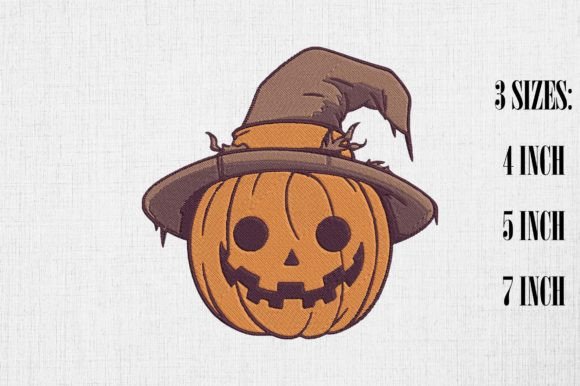
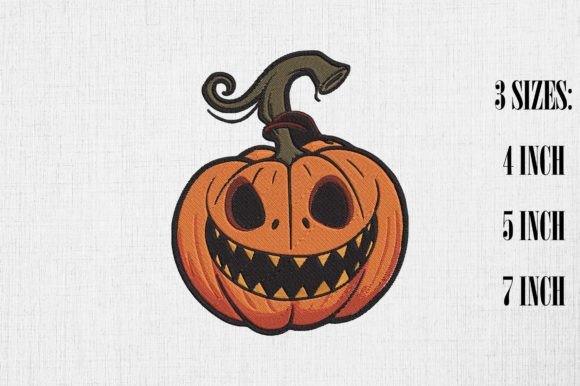
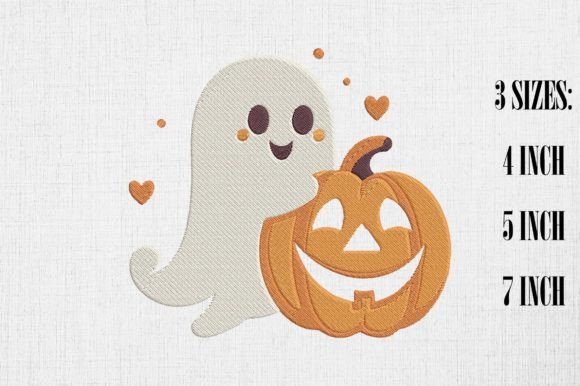
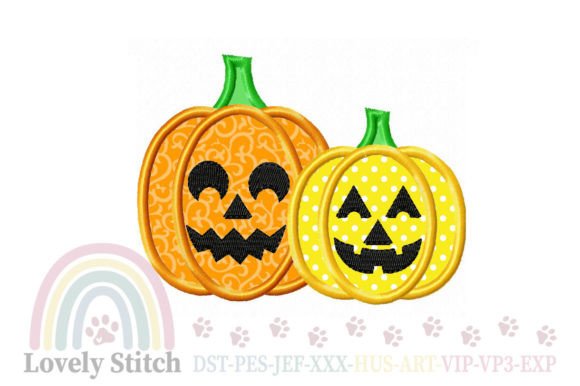
The initial visual impact of the Pumpkin Lamp Embroidery Design is surprisingly versatile. While the product description highlights an "enchanting" vibe with a grinning jack-o'-lantern, the execution leans more toward whimsical warmth than traditional spooky horror. This is a crucial distinction for apparel. Many Halloween-themed designs fail because they are too aggressive or cartoonish for everyday wear. This design, however, strikes a balance that feels playful yet decorative. The concept of a pumpkin acting as a lamp suggests a glowing, inviting atmosphere, which translates well into thread work if managed correctly.
For a boutique brand, the mood is everything. This design does not scream "cheap costume." Instead, it offers a rustic, homey aesthetic that fits perfectly with the current trend of cozy, oversized seasonal apparel. It feels appropriate for a customer who wants to celebrate the season without sacrificing style. The grinning face provides personality, but the "lamp" aspect implies a softness that works beautifully on neutral tones.
Fabric Compatibility and Color Strategy
When preparing this embroidery file for production, fabric choice became the primary variable. I tested the design on three different sweatshirt bases: a heavy-weight charcoal grey, a soft oatmeal heather, and a pastel sage green. The results varied significantly, offering valuable insights for any Etsy seller or small shop product creator.
On the dark charcoal fabric, the design required careful attention to thread colors. To achieve the "illuminated" effect mentioned in the description, I used a gradient of yellows and oranges for the pumpkin body, ensuring high contrast against the dark background. The stitching popped vividly, creating a bold statement piece. However, on the oatmeal heather, the design took on a more subtle, vintage appeal. Here, the focus shifted to texture. The stitch density needed to be balanced so that the fabric did not pucker, allowing the natural fabric texture to breathe around the embroidered area.
The pastel sage option was perhaps the most surprising. It transformed the Pumpkin Lamp Embroidery Design from a Halloween-specific item into a broader autumnal accessory. This versatility is a major selling point for custom apparel businesses looking to extend the lifespan of their inventory beyond October 31st. By adjusting the thread palette, you can market the same digital embroidery file as both a holiday special and a fall staple.
Placement and Structural Integrity
One of the most common mistakes in sweatshirt embroidery is poor placement. For this project, I evaluated three key areas: the left chest, the center back, and the sleeve accent. The Pumpkin Lamp Embroidery Design proved adaptable to all three, but each required different technical considerations.
For the left chest placement, typically used for subtle branding, the design needed to be scaled down. At smaller sizes, readability becomes a concern. I found that the intricate details of the "grinning" face remained clear, provided the hoop size was stable and the needle was sharp. This placement works best for a minimalist approach, appealing to customers who prefer understated hoodie design elements.
Conversely, using the design as a large back print created a bold, graphic look. This is ideal for oversized hoodies where the garment itself serves as a canvas. However, larger designs increase the risk of fabric distortion. Using a high-quality cut-away stabilizer was non-negotiable here. Without proper stabilization, the weight of the threads could pull the knit fabric out of shape, ruining the finished product. For commercial viability, durability is key. A design that looks great on day one but twists after washing will destroy buyer trust.
Technical Considerations for Commercial Use
From a technical standpoint, several factors determine whether a design is ready for commercial embroidery. First, stitch density must be optimized for thick materials like fleece or French terry. If the density is too high, the sweatshirt will become stiff and uncomfortable. If it is too low, the underlying fabric may show through, breaking the illusion of the "lamp" glow. The Pumpkin Lamp Embroidery Design appears to have a balanced fill, but I recommend running test stitches on your specific fabric blend before full production.
Second, consider the underlay stitches. A strong underlay provides a foundation for the top stitches and helps anchor the design to the fabric. For a design featuring a glowing effect, satin stitches bordering fill areas can add definition and prevent fraying over time. This attention to detail separates amateur handmade product listings from professional boutique brand offerings.
It is also vital to check the specific file specifications provided with the purchase. Since the prompt did not list exact stitch counts, file formats, or hoop size limitations, you must verify these details before loading the design into your machine. Ensuring compatibility with your embroidery software and hardware prevents costly errors during production runs.
Enhancing Brand Identity and Value
Ultimately, the choice of embroidery design reflects your brand identity. Using the Pumpkin Lamp Embroidery Design signals to your customers that you value creativity and seasonal charm. It adds tangible value to a basic sweatshirt, justifying a higher price point. Customers are willing to pay more for items that feel unique and carefully crafted.
For marketing purposes, this design lends itself well to lifestyle product photography. Imagine a model holding a warm drink, wearing the sweatshirt in a cozy, dimly lit setting that mimics the "lamp" theme. These visuals create an emotional connection, driving engagement on social media and improving conversion rates for your Etsy seller profile or online store. Including printable mockup previews in your listings can also help customers visualize the design on different colors, reducing hesitation and returns.
In conclusion, the Pumpkin Lamp Embroidery Design is a strong contender for small businesses looking to add festive flair to their design assets. It offers flexibility in placement and color, provided you pay attention to stabilizer choice and stitch density. By treating this digital file with the care of a physical craft, you can produce a finished product that stands out in a crowded market. Whether you are aiming for a rustic, playful, or bold aesthetic, this design provides the foundational quality needed to build customer loyalty and enhance your custom apparel lineup.