Owl Embroidery Applique Thread Art Easy Review
As an embroidery designer who has spent years digitizing files for small businesses, I approach every new machine embroidery design with a critical eye. It is not enough for a pattern to be cute; it must be functional, durable, and commercially viable. Recently, I evaluated Owl Embroidery Applique Thread Art Easy to determine its potential for branded merchandise. This review focuses on how this specific graphic performs in real-world business applications, from boutique retail to staff uniforms.
First Impressions and Visual Personality
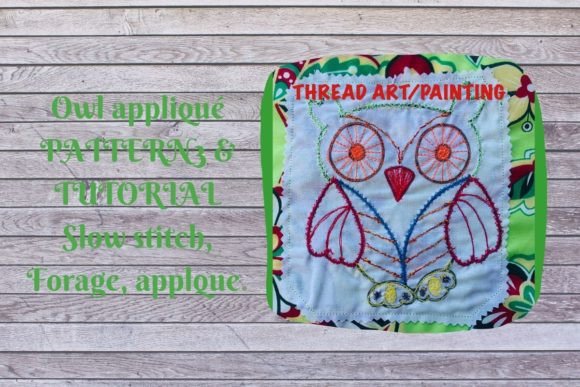
The title and description suggest a design that balances accessibility with charm. The phrase "Thread Art" implies a focus on texture and visual depth, while "Applique" indicates a technique that reduces stitch count and adds dimension. For a small business owner, this is crucial. High stitch counts can slow down production and increase thread breakage risks. An applique-based design often offers a cleaner finish on various fabrics.
Visually, the owl motif tends to convey wisdom, friendliness, and approachability. In the context of brand identity, this makes the design versatile. It does not scream "corporate rigidness," nor does it feel too childish for professional settings if executed with the right color palette. The "Easy" descriptor suggests that the digitization likely avoids overly complex micro-details that might get lost during stitching. This is a positive sign for scalability across different product types.
Real-World Business Applications
When considering small business merch, versatility is key. Here is how Owl Embroidery Applique Thread Art Easy performs across common commercial items:
- Embroidered Patches: This is perhaps the strongest use case. Applique designs hold up exceptionally well on twill or felt backings. A patch allows you to brand multiple items without embroidering each one individually. You can produce a batch of owl patches and apply them to hats, bags, or jackets as needed.
- Custom Apparel and Uniforms: For cafes, bakeries, or creative studios, this design works beautifully as a chest logo accent. It is small enough to be subtle yet distinct enough to be recognized. On aprons, the applique element adds a tactile quality that customers appreciate, reinforcing the handmade product aesthetic.
- Tote Bag Design: Tote bags are a staple for retail branding. The owl’s shape provides a solid anchor point. Since tote bags often have a coarser weave, an applique design helps bridge the gap between the thread and the fabric texture, preventing the design from sinking into the material.
- Cap Embroidery: Caps present a curved, challenging surface. While possible, this requires careful hooping. The design’s simplicity is an asset here, but you must ensure the stabilizer is robust enough to prevent puckering on the front panel.
Technical Considerations for Production
Before running a full production batch of commercial embroidery, there are technical factors to address. The product description mentions it is part of Hand Embroidery Patterns and Graphics, but for machine use, we must verify the digital file specifics.
Stitch Density and Fabric Texture: Applique designs generally have lower stitch density than fill-stitch designs. This is beneficial for stretchy fabrics like t-shirts or delicate materials like silk blends. However, you must test the satin stitch borders. If the border is too wide, it may curl; if too narrow, it may not cover the raw edges of the applique fabric adequately. Always test on the actual fabric you intend to use.
Hoop Size and Placement: Check the required hoop size against your machine’s capabilities. For small items like baby clothes or pocket logos, ensure the design scales down without losing definition. Conversely, if you plan to use it on large cushion covers, ensure the resolution holds up when scaled up. Pixelation is not an issue with vector-based graphics, but stitch distortion can occur if the digitizing does not account for scale changes.
Stabilizer Selection: Because this is an applique design, you are layering materials. Use a cut-away stabilizer for garments that will undergo frequent washing, such as staff uniforms. For decorative items like pillowcases, a tear-away might suffice, but cut-away ensures longevity and maintains the shape of the owl over time.
Brand Identity and Customer Trust
Using a consistent visual element like Owl Embroidery Applique Thread Art Easy strengthens brand identity. When customers see the same high-quality embroidered owl on your packaging, your website’s printable mockup, and their purchased tote bag, it builds trust. It signals attention to detail.
For Etsy sellers and crafters, this design can serve as a signature mark. It differentiates your design assets from mass-produced printed goods. The tactile nature of embroidery adds perceived value. Customers are often willing to pay more for an item with genuine embroidery because it implies craftsmanship and durability. This design, being "easy" to execute, allows you to maintain that premium look without excessive labor costs, improving your profit margins.
Where to Use Caution
While versatile, this design is not universal. Avoid using it on items with heavy textures where the applique fabric might blend in too much, reducing contrast. Also, be cautious with very dark uniforms if the owl is designed with light colors; ensure you have high-contrast thread options available. If the design includes tiny details within the owl’s face or feathers, these may disappear at small sizes. Always create a printable mockup or stitch out a sample on scrap fabric before committing to client orders.
Practical Designer Notes
- Test in Black and White: Before choosing thread colors, stitch the design in black thread on white fabric. This reveals the structural integrity of the digitizing. If it looks good in monochrome, it will look good in color.
- Check Commercial Licensing: The description mentions a "Pattern Tutorial." Ensure that the license included with the digital embroidery file permits commercial use. Some designers allow personal use only. Confirm this before selling any finished product.
- Thread Color Contrast: Select thread colors that contrast sharply with both the base fabric and the applique fabric. This ensures the owl stands out and remains legible from a distance.
- Client Approval Mockups: Use the graphic to create digital mockups for client approval. This saves time and thread by ensuring the placement and size are approved before stitching begins.
- Verify File Formats: Ensure the download includes the format compatible with your machine (e.g., PES, DST, JEF). Missing formats can halt production.
In conclusion, Owl Embroidery Applique Thread Art Easy offers a strong balance of aesthetic appeal and practical efficiency for small business owners. By respecting the technical requirements of applique embroidery and leveraging its versatility across patches, apparel, and accessories, you can create a cohesive and professional brand presence. Always prioritize testing and licensing verification to ensure your custom apparel and merchandise meet the highest standards of quality.