Reviewing Yellow Ceramic Tiles Sampler Embroidery
As an embroidery designer who has spent countless weekends behind a craft fair booth, I have learned that not every machine embroidery design translates into a bestseller. Some designs are technically impressive but fail to catch the eye of a passing shopper. Others are simple, charming, and practically print money. Today, I am putting the Yellow Ceramic Tiles Sampler Embroidery under the microscope. This is not just a theoretical review; it is a practical assessment of how this pattern performs in the real world of handmade sales.
First Impressions and Aesthetic Appeal
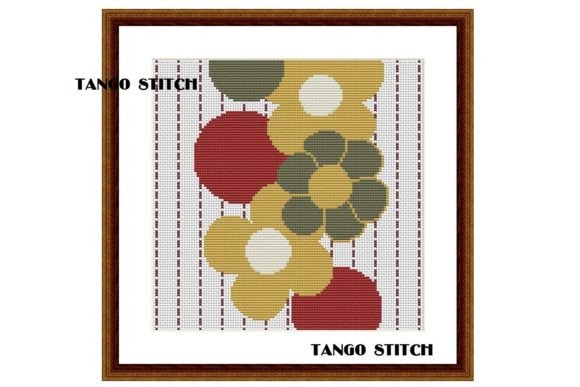
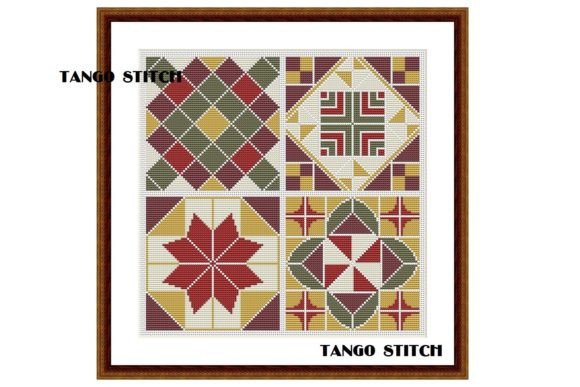
The title alone suggests warmth and tradition. When I first loaded the digital embroidery file, the immediate impression was one of rustic elegance. The yellow hue evokes sunshine, lemons, and Mediterranean kitchens. It feels less like a modern minimalistic graphic and more like a timeless handmade product that fits perfectly into the farmhouse or cottagecore trends that dominate current markets. For sellers of Cross Stitch Patterns and Graphics, this aesthetic is crucial because it bridges the gap between traditional needlework and modern home decor.
The "sampler" aspect implies a collection of motifs rather than a single image. This variety is a significant selling point. It allows customers to feel they are getting more value for their money. In a busy craft fair environment, where shoppers scan tables in seconds, the intricate yet organized layout of ceramic tile patterns stands out against plain fabrics. It signals quality and effort without appearing chaotic.
Product Versatility for Craft Fair Sellers
The true test of any embroidery file is its versatility. Can it survive on different substrates? I evaluated the Yellow Ceramic Tiles Sampler Embroidery across several potential craft fair product categories.
- Tote Bag Design: This is arguably the strongest application. A canvas tote with a central cluster of these yellow tiles becomes an instant statement piece. The contrast of yellow thread against natural beige or white canvas is striking and photographs beautifully for an Etsy seller.
- Apron Embroidery: Kitchenware is a perennial favorite. Placing a smaller version of the sampler on the bib of a linen apron creates a cohesive, high-end look. It appeals to buyers looking for unique housewarming gifts.
- Tea Towel Embroidery: Here, caution is required. While the design is lovely, the texture of terry cloth can obscure fine details. I recommend using this on flat-weave linen or cotton tea towels where the stitch density can lay flat and crisp.
- Embroidered Patch: Creating iron-on patches allows for batch production. You can embroider dozens of these on stabilizer-backed fabric, cut them out, and sell them as add-ons. This maximizes the utility of a single design asset.
For those selling small shop product lines like pillow covers or market bags, the repeating nature of tile patterns works well. You can stagger multiple instances of the motif to create an all-over print effect, which elevates the perceived value of the finished product.
Production Practicality and Technical Notes
From a production standpoint, efficiency is key. If you are preparing for a weekend market, you cannot spend hours hooping and stitching a single item. The description mentions this is a "completely hassle-free" pattern, which suggests optimized stitch paths. However, experienced designers know to verify this personally. Before committing to a large run, you must check the stitch density. If the yellow areas are too dense, they may pucker lightweight fabrics. If they are too sparse, the backing fabric might show through, ruining the clean look.
Another critical factor is the hoop size. Ensure the design fits comfortably within your standard hoops without requiring excessive re-hooping for multi-position designs. For caps, the curved surface presents a challenge. The geometric rigidity of ceramic tiles might distort on a curved brim. I advise testing this on a flat cap panel first or sticking to flat goods like pouches and pillows for the best results.
Color selection is vital. Yellow can be tricky on dark fabrics. On navy or black, it pops vibrantly, but on heather grey or olive, it might get lost. Always create a printable mockup or stitch out a sample on your intended fabric colors. Do not assume the screen representation matches the thread reality. Use high-quality rayon or polyester threads to ensure the yellow remains bright and does not fade after washing, which is essential for maintaining your brand’s reputation for quality.
Marketing and Visual Impact
In the digital marketplace, visual appeal drives clicks. The Yellow Ceramic Tiles Sampler Embroidery offers excellent opportunities for lifestyle photography. Imagine a sunlit kitchen scene with an embroidered apron hanging on a wooden hook, or a tote bag resting next to a basket of lemons. These images tell a story and evoke emotion, which increases buyer engagement.
For commercial embroidery users, consistency is brand building. Using this design across multiple product lines—towels, bags, and patches—creates a recognizable signature style. Customers begin to associate that specific yellow tile motif with your brand. This recognition is powerful for repeat business.
However, be mindful of scale. What looks intricate and beautiful at six inches wide may become a muddy blob at two inches. If you plan to use this as a small accent on a pocket or cuff, verify that the smallest details remain distinct. Simplify if necessary by removing the tiniest filler stitches.
Final Designer Recommendations
Before listing this as a craft fair product or uploading it to your online store, follow these steps:
- Test on Scrap Fabric: Never skip this step. Check for puckering, thread breaks, and color accuracy.
- Check Stabilizer Compatibility: Use a cut-away stabilizer for stretchy fabrics like tote bags to prevent distortion over time. Use tear-away for stable woven fabrics like linen.
- Verify Licensing: The description mentions "Tango Stitch" and "easy cross stitch ornament pattern." Ensure you understand the license terms. Are you allowed to sell finished physical products? Are there restrictions on the number of items? Clarify this before investing in materials.
- Create Real Mockups: Do not rely solely on digital previews. Stitch one real item and photograph it in natural light. This image will perform better in your Etsy listings than any computer-generated render.
The Yellow Ceramic Tiles Sampler Embroidery has strong potential for sellers who value charm and versatility. It fits seamlessly into the current demand for heartfelt, handmade home goods. By paying attention to fabric choice, stitch density, and presentation, you can turn this digital embroidery file into a profitable staple of your small shop product lineup. Remember, the goal is not just to stitch a design, but to create a product that customers want to take home and use every day.