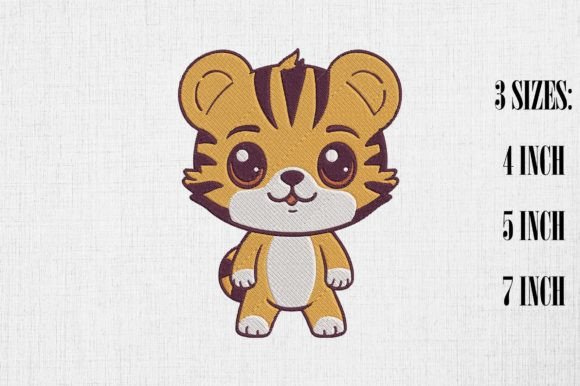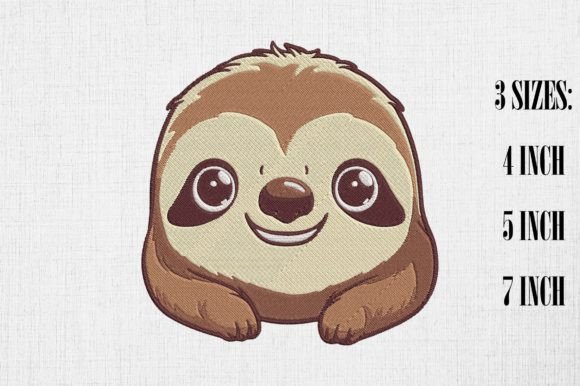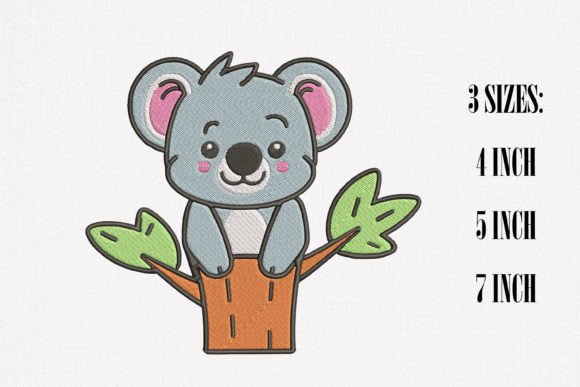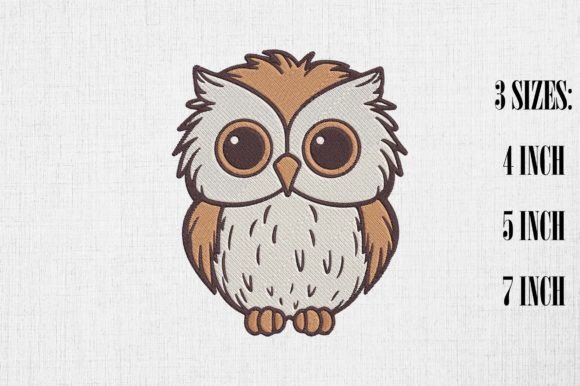
Reviewing the Cute Kawaii Elephant Embroidery Design
As an embroidery designer who has spent countless hours behind the hoop and even more time standing behind a booth at weekend craft fairs, I know that not every design is created equal. Some designs look stunning on a screen but fail to capture attention in person. Others are so dense they break needles or pucker fabric. Today, I am putting the Cute Kawaii Elephant Embroidery Design under the microscope. This review is written for fellow craft fair sellers, Etsy shop owners, and handmade business entrepreneurs who need to know if this specific digital embroidery file is worth their production time and material costs.
First Impressions and Visual Appeal
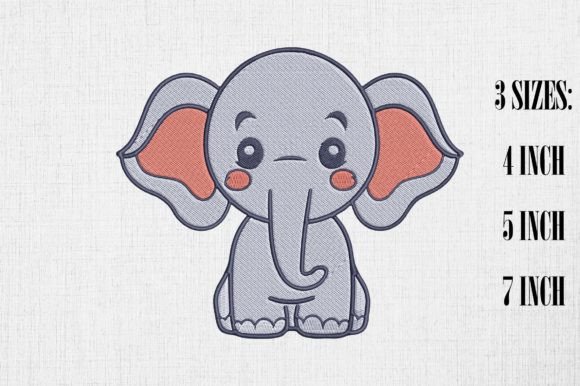
The moment I loaded the Cute Kawaii Elephant Embroidery Design into my software, the immediate impression was one of softness and approachability. In the world of Baby Animals themed Embroidery, kawaii styles rely heavily on exaggerated features like large eyes and rounded shapes. This design nails that aesthetic. It does not feel rustic or farmhouse; instead, it leans firmly into modern, playful, and decorative territory. For a craft fair booth, this is crucial. You want items that make people smile instantly. This design feels bold enough to be seen from a few feet away but delicate enough to suggest high-quality craftsmanship.
When evaluating a machine embroidery design for commercial use, I always ask: does it photograph well? The clean lines and balanced proportions of this elephant mean it will look fantastic in printable mockup listings for your online store. It avoids the clutter that often plagues complex designs, making it a strong candidate for social media marketing where quick visual impact is key.
Best Products for Maximum Sales
Not every product is the right canvas for every design. Based on the scale and style of this elephant, here is where I believe it will perform best as a craft fair product:
- Tote Bag Design: A natural cotton tote with this elephant centered is a top seller. It appeals to parents, teachers, and anyone who loves cute aesthetics. The design acts as a focal point without overwhelming the bag.
- Apron Embroidery: Place this on the bib of a child’s apron or the pocket of an adult’s kitchen apron. It adds a whimsical touch that elevates a basic handmade product into a giftable item.
- Tea Towel Embroidery: Kitchen textiles are volume sellers. Ensure you use a proper stabilizer, but the contrast of colorful thread against white or pastel towels makes this design pop.
- Embroidered Patch: If you offer patches, this design is ideal. Its self-contained shape means it can be cut out easily and ironed onto denim jackets or backpacks.
- Baby Onesies and T-Shirts: As mentioned in the product description, you can embroider this design on clothes and baby’s onesies. It is perfect for baby showers, a huge market for small shop product creators.
While you could use this on pillow covers or tablecloths, I find that smaller, portable items like pouches and caps often move faster at fairs because they are lower-risk impulse buys for customers.
Production Practicality and Stitch Quality
For those of us running a commercial embroidery side hustle, efficiency is everything. A design that takes three hours to stitch is rarely profitable unless you charge a premium. While I do not have the exact stitch count for this specific file, kawaii designs typically optimize for speed by using satin stitches for outlines and fill stitches for larger areas. However, you must check the stitch density. If the elephant’s ears or body are too densely stitched, you risk puckering lightweight fabrics like onesies or tea towels.
I recommend testing the embroidery file on scrap fabric first. Pay close attention to the eyes and trunk details. Tiny details can get lost if the needle jumps or if the thread tension is off. For a finished product to look professional, the thread colors must have sufficient contrast. Pastel threads on pastel fabric might wash out the design, so consider using darker outlines or vibrant accents to ensure the elephant stands out.
Handling Fabric Texture and Hoop Constraints
One challenge with textured items like terry cloth towels or thick denim caps is clarity. This design seems to have clear boundaries, which helps. However, when stitching on curved surfaces like caps, ensure your hoop size is appropriate. If the design is too large for a standard cap frame, it may distort. Always confirm the dimensions provided with the digital embroidery file before starting a batch.
Additionally, consider the stabilizer. For stretchy fabrics like t-shirts, a cut-away stabilizer is non-negotiable to prevent distortion after washing. For woven fabrics like tote bags, a tear-away might suffice, but test it first. The goal is a flat, smooth finish that feels premium to the touch.
Marketing and Brand Consistency
Using the Cute Kawaii Elephant Embroidery Design can strengthen your brand if your niche is cute, youthful, or family-oriented. It creates consistency across your design assets. Imagine a booth display where the same elephant appears on a tote, a patch, and a towel. This repetition creates a cohesive visual story that draws customers in. It signals that you are a specialized maker, not just someone selling random items.
For Etsy seller accounts, this design offers versatility. You can create variations by changing thread colors—pink for a baby girl theme, blue for neutral, or wild colors for a fun, eclectic vibe. This flexibility allows you to target different customer segments without buying new designs.
Final Designer Notes and Licensing
Before you commit to producing fifty units for your next market, keep these practical notes in mind:
- Check Licensing: The product description states this machine embroidery design comes with certain terms. Always verify if it includes commercial licensing. You must have the right to sell finished products made with this file.
- Test on Dark Fabric: If you plan to offer this on navy or black items, you will need to use an underlay stitch or a lighter backing to ensure the colors remain vibrant.
- Batch Production: This design looks repeatable. Once you dial in the tension and stabilizer, you can hoop multiple items quickly. This is essential for meeting demand during holiday seasons.
- Customer Engagement: Use the cuteness factor. Ask customers to name the elephant in your social media posts. Engagement drives algorithm visibility, which drives sales.
In conclusion, the Cute Kawaii Elephant Embroidery Design is a strong contender for any maker focusing on baby, kids, or whimsical home decor markets. It balances visual appeal with production feasibility. By paying attention to fabric choice, stabilizer type, and thread contrast, you can turn this digital file into a best-selling physical product. Whether you are stitching for a local fair or shipping globally via Etsy, this design has the charm and versatility to support your creative business goals.