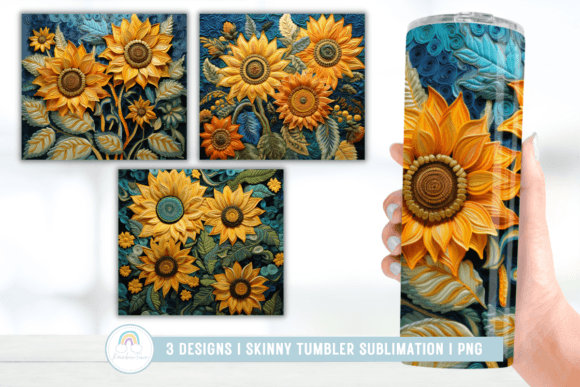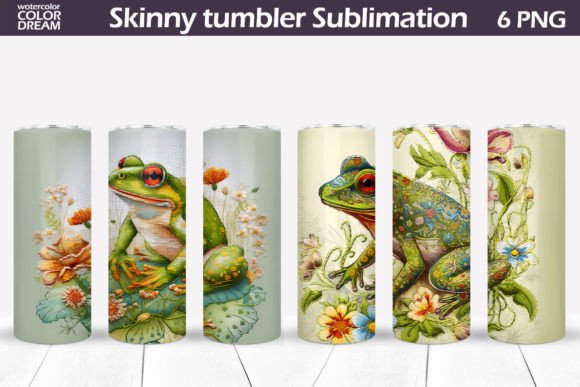
Reviewing the 3D Frog Embroidery Tumbler Design
As an embroidery designer who has spent years digitizing files for small business owners, I have learned that not every graphic translates well to thread. When I first encountered the 3D Frog Embroidery Tumbler, my initial reaction was one of cautious curiosity. The title suggests a playful, nature-inspired aesthetic, but the description hints at a specific technical application: sublimation wraps for skinny tumblers. For those of us in the Crafts and Graphics space, bridging the gap between digital print and stitched texture is a constant challenge. This review evaluates whether this design asset can truly serve as a versatile tool for branded merchandise, patches, and custom apparel.
First Impressions and Visual Personality
The concept of a "3D Frog" immediately evokes a sense of whimsy and approachability. In the world of handmade products, customers are often drawn to designs that feel friendly and organic. If executed correctly, this design could project a brand identity that is rustic yet modern, appealing to boutique owners, pet brands, or local cafés looking to add character to their staff uniforms. However, the term "3D" in embroidery usually refers to puff foam techniques, which require specific digitizing strategies. If this product is primarily a digital file intended for sublimation, as the description suggests with "straight tumbler designs," we must consider how these visual elements translate when converted into a machine embroidery design.
The visual personality here leans heavily toward the decorative and playful. For a small business, this is a double-edged sword. It creates instant engagement and warmth, but it must be balanced with professional execution to avoid looking amateurish. The key lies in how the curves and details of the frog are rendered. Are they bold enough to hold up on a cap? Are they detailed enough to look premium on a tote bag?
Real-World Business Applications
Let us move beyond the tumbler wrap context and imagine how this asset performs in real commercial embroidery projects. Small business owners often need versatile design assets that can work across multiple product lines. Here is how the 3D Frog Embroidery Tumbler motif could be utilized:
- Embroidered Patches: A frog design makes for an excellent iron-on or sew-on patch. These can be sold as standalone items or used to brand employee aprons. The organic shape allows for creative border stitching that enhances the handmade feel.
- Staff Uniforms and Aprons: For a florist, bakery, or pet grooming studio, a frog emblem on the chest pocket of an apron adds a touch of personality. It signals to customers that the brand cares about details and has a unique voice.
- Cap Embroidery: Placing a simplified version of the frog on the front of a baseball cap can create a memorable logo. However, this requires careful attention to stitch density to prevent puckering on the curved surface.
- Tote Bag Design: Canvas bags are a staple for craft fairs and retail shops. A larger version of this design could serve as a central focal point, turning a simple bag into a statement piece that promotes brand recognition.
- Customer Gifts and Event Merch: Small embroidered items, such as keychains or coin purses featuring the frog, make excellent low-cost giveaways that keep your brand top-of-mind.
By using this graphic as a foundation for custom apparel and accessories, you transform a static image into a tactile experience. This increases the perceived value of the finished product and strengthens customer trust.
Technical Considerations for Embroidery
While the artistic potential is high, the technical execution requires diligence. The original product description mentions dimensions of 9.3 x 8.2 inches for sublimation. This is quite large for standard embroidery hoops. If you plan to use this as a digital embroidery file for stitched goods, you must resize it appropriately. Here are critical factors to consider:
- Hoop Size and Scaling: You cannot simply shrink a 9-inch design down to a 2-inch patch without losing detail. Fine lines may merge, and small text may become illegible. Always test the design at the intended size.
- Stitch Density: Frogs often have textured skin or complex eyes. High stitch density can cause fabric distortion, especially on lighter materials like polo shirts. Adjust your underlay and pull compensation to ensure a smooth finish.
- Fabric Texture: The design will look different on a smooth polyester cap versus a textured canvas tote. On rougher fabrics, you may need a cutaway stabilizer to support the weight of the stitches and prevent the design from sinking into the material.
- Thread Colors: To maintain the "3D" effect without actual foam, use shading techniques with varying thread colors. Contrast is vital; ensure the frog stands out against the background fabric, especially on dark uniforms.
It is crucial to note that the provided description does not specify the exact stitch count, file format, or license terms for embroidery use. Before committing to production, you must verify if the file includes vector paths or embroidery-specific formats like DST or PES. If it is purely a graphic for sublimation, you may need to hire a digitizer to convert it into a usable embroidery file.
Enhancing Brand Identity and Trust
Consistency is the cornerstone of professional branding. Using a cohesive visual element like the 3D Frog Embroidery Tumbler across various touchpoints builds recognition. When a customer sees the same frog motif on your website, your packaging, and your staff’s aprons, it reinforces your brand identity. This visual consistency signals professionalism and reliability.
Moreover, embroidered items carry a perception of higher quality compared to printed ones. The texture of the thread adds depth and luxury. For Etsy sellers and handmade brands, offering embroidered merchandise can justify a higher price point. It shows that you have invested time and skill into your small business merch, which fosters deeper buyer engagement and loyalty.
Practical Designer Notes for Implementation
Before launching this design into your product line, follow these practical steps to ensure success:
- Test in Black and White: Print or stitch the design in monochrome first. This helps you identify if the shapes are distinct and if the details hold up without the distraction of color.
- Check Small Patch Viability: Create a sample patch at 2 inches wide. If the frog’s features blur together, simplify the design by removing unnecessary interior details.
- Use Proper Stabilizer: Match your stabilizer to your fabric. Use tear-away for stable woven fabrics and cut-away for stretchy knits or caps.
- Create a Printable Mockup: Use software to place the design on virtual products. This allows you to visualize scale and placement before stitching a single thread.
- Confirm Commercial Licensing: Ensure you have the right to use this graphic for commercial sales. If the original file is for personal sublimation only, contact the creator for extended rights.
In conclusion, the 3D Frog Embroidery Tumbler offers a charming aesthetic that can significantly enhance the appeal of handmade product lines. While it originates as a sublimation graphic, its potential in the realm of commercial embroidery is substantial if handled with technical care. By focusing on proper scaling, stitch density, and consistent application, small business owners can turn this playful design into a powerful tool for brand building and customer connection.