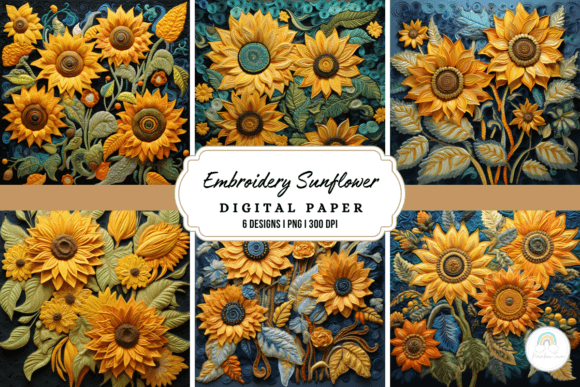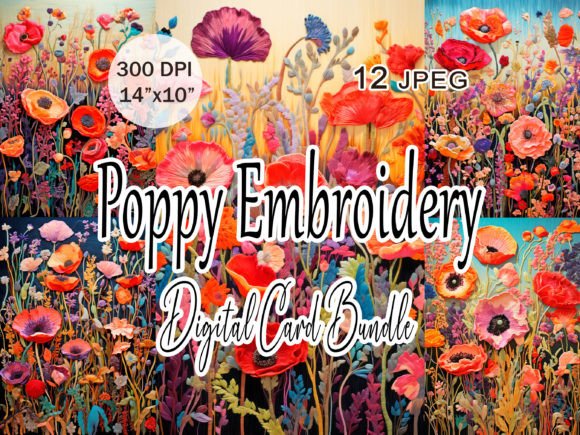
Reviewing Poppy Embroidery Tapestry JPEG Clipart
As an embroidery designer who has spent years digitizing patterns for boutique brands, I approach every new machine embroidery design with a critical eye. It is not just about whether the image looks pretty on a screen; it is about how it translates to fabric, how it withstands the wash cycle, and ultimately, how it elevates the perceived value of a handmade product. Recently, I evaluated the Poppy Embroidery Tapestry JPEG Clipart collection for an upcoming limited-edition sweatshirt drop for a small online shop. Here is my professional breakdown of how these assets perform in a real-world commercial setting.
First Impressions and Aesthetic Mood
The moment I opened the files, the mood was unmistakable. This is not a rigid, geometric pattern. The collection exudes a rustic, organic charm that feels both feminine and bold. The description notes that this is a collection of flower design images featuring 12 unique high-quality meadow poppy JPG files. For a designer, "unique" is the keyword here. In a market saturated with generic floral motifs, having twelve distinct variations allows for incredible versatility in a boutique brand lineup.
The aesthetic leans heavily into the cottagecore and wildflower trends that are currently dominating social media. However, because these are provided as high-resolution JPEGs rather than pre-digitized stitch files, they serve primarily as design assets for visualization and manual digitization reference. The tapestry style suggests a dense, textured look, which is ideal for creating a premium feel on apparel. When I imagine these poppies stitched out, I see a design that is decorative yet grounded, perfect for customers who appreciate artisanal details over mass-produced prints.
Application on Sweatshirts and Hoodies
The primary test for any graphic is its application on apparel. I visualized these poppy designs on several key garments in our upcoming collection. On neutral sweatshirts, such as oatmeal or heather grey, the vibrant reds and oranges of the poppies would pop beautifully, creating a striking contrast. For dark fabric, like charcoal or navy, the design would need careful consideration of thread colors to ensure visibility. A metallic gold or bright cream thread could make the flowers glow against the darkness, turning a simple hoodie into a statement piece.
Pastel colors present a different challenge and opportunity. On a blush pink or sage green oversized hoodie, the poppy design would feel soft, playful, and deeply romantic. This aligns perfectly with the current demand for cozy seasonal apparel that feels gentle and inviting. The "tapestry" aspect of the title suggests a level of intricacy that works well for back designs, where you have more hoop space to let the details breathe. For chest placements, I would recommend selecting one of the simpler compositions from the 12 unique files to maintain readability at a smaller scale.
Technical Considerations for Commercial Use
Here is where the experienced designer must pause and address the technical realities. The product description states these are JPG files. It is crucial to understand that a JPEG is a raster image, not a vector or an embroidery file. You cannot simply load a JPG into your embroidery machine. These graphics serve as excellent references for manual digitizing or for use in printable mockup previews for your Etsy listings.
If you plan to offer this as custom apparel, you will need to digitize these images yourself or hire a digitizer. When doing so, pay close attention to stitch density. A tapestry-style design can easily become too dense, leading to puckering on lighter fabrics. For a thick cotton blend sweatshirt, this is less of an issue, but for thinner materials, you must balance the fill stitches with proper underlay. Additionally, consider the hoop size required. A detailed meadow scene might require a 5x7 or even a 6x10 hoop to capture the nuance of the petals without losing definition.
Stabilizer choice is another critical factor. For a premium sweatshirt embroidery project, I always recommend a cut-away stabilizer to provide long-term support, especially if the design covers a larger area on the back of a garment. This ensures the finished product maintains its shape and the stitching does not pull or distort after multiple washes. Washing durability is a major concern for commercial embroidery; a well-digitized poppy design should hold up to regular laundering without thread breakage or excessive fraying.
Enhancing Brand Identity and Product Value
Why go through the trouble of using these specific graphics? Because they build brand identity. Using unique, high-quality visuals like the Poppy Embroidery Tapestry JPEG Clipart helps differentiate your small shop product from competitors who use free, low-resolution clip art. When customers see intricate, thoughtful embroidery, they perceive higher value. This perception justifies a higher price point and builds buyer trust.
For an Etsy seller, these images are invaluable for creating compelling listing photos. Even before the first stitch is made, you can use these JPGs to create digital mockups that show potential buyers exactly what the final design will look like on a hoodie or tote bag. This reduces hesitation and increases conversion rates. The visual recognition of a consistent floral theme across your product line helps customers remember your brand. It creates a cohesive narrative that says your brand is curated, artistic, and attentive to detail.
Final Verdict for Creative Entrepreneurs
The Poppy Embroidery Tapestry JPEG Clipart is a strong resource for creative entrepreneurs who understand the workflow between graphic design and embroidery production. It is not a plug-and-play solution for those who do not digitize, but for those who do, it offers a rich library of inspiration. The 12 unique files provide enough variety to keep a collection fresh without losing thematic consistency.
Whether you are designing for a commercial embroidery run or creating one-off custom pieces, these wildflowers bring a touch of nature’s beauty to modern apparel. Just remember to check the specific license terms regarding commercial use for the JPEGs themselves, and always test your digitized version on a scrap piece of your actual fabric before committing to a full production run. With the right fabric texture and technical execution, these poppies can transform a basic garment into a cherished wardrobe staple.