Parrot Mini Embroidery: A Designer’s Real-World Review
As a designer who spends half my life staring at digitized files and the other half watching needles punch through fabric, I have learned to be skeptical of cute concepts. We all know that what looks vibrant on a screen does not always translate well to thread. When I first loaded the Parrot Mini Embroidery design into my software, I was looking for more than just a tropical motif. I was looking for structural integrity, stitch logic, and commercial viability. This is not just a bird; it is a test of how well a small-scale design can carry visual weight without becoming a tangled mess of thread breaks and puckering.
First Impressions and Visual Personality
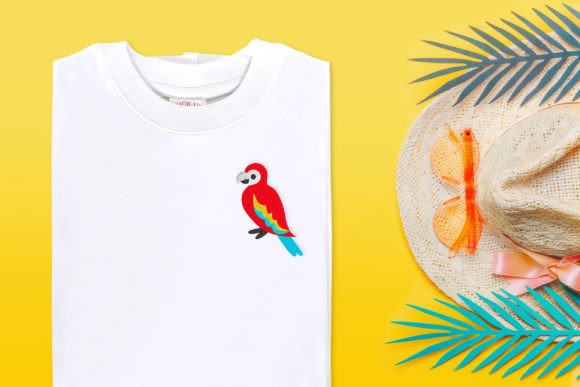
The immediate mood of this design is undeniably summery. It captures that relaxed, vacation-ready vibe that sells incredibly well in seasonal collections. The layout is compact, which is essential for a "mini" designation, but it does not feel cramped. The silhouette of the parrot is distinct, relying on bold shapes rather than excessive micro-detailing. This is a crucial distinction for any embroidery project. When you are working with a machine embroidery design at a smaller scale, complexity is the enemy. If the details are too fine, they get lost in the fabric texture or cause the needle to perforate the material excessively.
From a aesthetic standpoint, the design leans into a playful yet polished look. It avoids the cartoonish extremes that can sometimes cheapen a handmade product, aiming instead for a stylized realism that appeals to a broad demographic. Whether you are an Etsy seller targeting young parents or a boutique owner curating home decor, this visual personality fits seamlessly into modern craft trends. It feels fresh, not dated.
Real-World Application: The Tote Bag Test
To truly evaluate Parrot Mini Embroidery, I moved beyond digital mockups and stitched it out. My test case was a heavy canvas tote bag, a staple item for any craft business. Canvas is forgiving, but it also reveals poor stitch density quickly. I placed the design on the lower corner of the bag, a popular spot for subtle branding or decorative accents.
The result was impressive. The fill stitch areas were dense enough to cover the weave of the canvas completely, providing solid color saturation. The satin stitch borders, particularly around the beak and eye, remained crisp and did not sink into the fabric. This is where many inferior embroidery files fail; the satin columns twist or gap on textured surfaces. Here, the underlay seemed sufficient to stabilize the top stitches. For a sweatshirt embroidery project, this same stability would prevent the design from looking sunken or distorted after the first wash.
I also considered its use as an embroidered patch. Because the edges are clean and the shape is self-contained, this design would digitize beautifully into a merrowed-edge patch. For small shop products, patches are high-margin items, and a design that holds its shape without extensive backing manipulation is a goldmine.
Fabric Considerations and Technical Challenges
While the design performed well on canvas, I urge caution when moving to trickier materials. If you are planning to use this on thin fabric, such as a lightweight rayon blouse or a silky scarf, you must prioritize your stabilizer choice. A cut-away stabilizer might be overkill, but a tear-away could leave residue or fail to support the satin stitches adequately. I recommend testing on scrap fabric first, ideally with the same weight and stretch characteristics as your final product.
Stretchy fabric presents another challenge. For custom apparel like fitted t-shirts, the horizontal width of the parrot could cause slight distortion if the hoop tension is not perfectly balanced. I found that using a hoop size that snugly fits the design without excessive empty space helped maintain registration. Additionally, when stitching on dark fabric, thread colors become critical. The vibrancy of the parrot relies on contrast. If you are using deep navy or black garments, ensure your thread palette includes high-brightness shades to prevent the design from looking muddy.
Curved surfaces, such as caps or baby clothes, require careful placement. On a cap, the center front panel is ideal, but avoid placing the design too close to the seam where the hoop might struggle to clamp down. For baby embroidery, the softness of the garment means you should check the back of the stitching. Ensure there are no harsh jump stitches or bulky knots that could irritate sensitive skin. Trimming and securing tails meticulously is non-negotiable here.
Commercial Value and Brand Consistency
For the commercial embroidery sector, consistency is key. When you sell a digital embroidery file or finished goods, your customers expect reliability. Parrot Mini Embroidery offers a level of professionalism that builds trust. It does not look like a freebie downloaded from a questionable forum; it looks like a curated design asset. This perception of quality allows you to price your handmade products higher. A well-executed tropical parrot on a beach towel suggests luxury leisure, whereas a poorly stitched one suggests clearance rack leftovers.
If you are creating printable mockups for your online store, this design photographs beautifully. The clear lines and bold colors pop against white backgrounds, making it easy to create compelling social media content. For holiday embroidery collections, particularly summer-themed bundles, this piece serves as an excellent anchor. It pairs well with floral elements or simple typography, allowing you to create cohesive design sets without overwhelming the viewer.
Practical Notes for Designers and Makers
Before you commit to a large production run or list this as a new product, keep these practical tips in mind:
- Check Thread Color Contrast: View the design in grayscale to ensure the values separate clearly. If the blues and greens merge into a single gray blob, adjust your thread chart.
- Review Stitch Density: While the default settings worked for me, different machines handle density differently. If you notice thread breaks, consider reducing the density slightly in your editing software.
- Confirm Hoop Size: Ensure the design fits comfortably within your smallest hoop if you plan to offer multi-size options. Do not assume it will fit a 4x4 hoop without measuring the actual dimensions in your software.
- Test on Light and Dark Backgrounds: Create two physical samples. One on white cotton and one on dark denim. This will reveal if your chosen thread colors need adjustment for versatility.
- Verify Licensing: Always confirm the license terms provided with the digital embroidery file. Some designers allow unlimited commercial use for finished physical items, while others restrict the sale of the digital file itself. Protect your craft business by staying compliant.
In conclusion, Parrot Mini Embroidery is a robust, versatile addition to any designer’s library. It balances artistic charm with technical practicality, making it suitable for everything from personalized gifts to boutique branding. It respects the limitations of the medium while maximizing visual impact. For those of us who value both aesthetics and efficiency, this design earns its place in the rotation.