Mini Cat Embroidery Design Review for Business
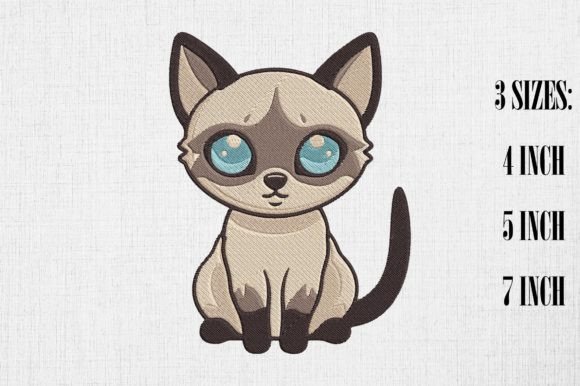
As an embroidery designer who has spent years digitizing files for small businesses, I approach every new machine embroidery design with a critical eye. It is not just about whether a motif looks cute on a screen; it is about how it performs under the needle, how it translates to fabric, and ultimately, how it serves the brand identity of the client using it. Today, I am reviewing the Mini Cat Embroidery Design, a file that promises to be a stylish and adorable accent for various projects. For boutique owners, Etsy sellers, and local business operators, understanding the practical application of this design is crucial before investing in production.
First Impressions: Visual Personality and Brand Fit
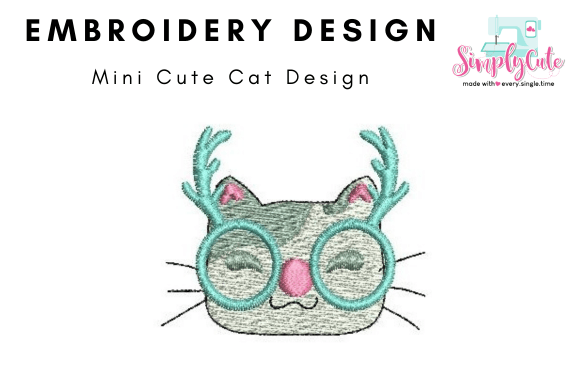
The immediate impression of the Mini Cat Embroidery Design is one of approachable charm. In the world of branding, aesthetics dictate audience connection. This design leans heavily into a playful yet polished aesthetic. It does not feel overly rustic or chaotic; rather, it strikes a balance between modern simplicity and classic appeal. For businesses in the pet industry, creative studios, or family-oriented boutiques, this visual personality is a strong asset. It feels friendly and inviting, which can lower the barrier for customer engagement.
However, "adorable" must not compromise professionalism. When evaluating this design for small business merch, I look for clean lines and intentional spacing. A design that is too cluttered can look messy when stitched out, especially at smaller scales. The Mini Cat appears to maintain its integrity without excessive complexity, making it a viable candidate for brands that want to project warmth without sacrificing clarity.
Real-World Applications for Commercial Embroidery
The versatility of a design determines its ROI for a business owner. The product description suggests stitching this on kids’ clothing, tote bags, t-shirts, and signs. From a professional standpoint, let us expand on how this fits into a broader commercial strategy.
- Embroidered Patches: This is perhaps the strongest use case. A mini cat motif works exceptionally well as a standalone patch. Patches allow for inventory flexibility; you can produce them in bulk and apply them to various items later. They add perceived value to plain garments and create a collectible element for customers.
- Staff Uniforms and Aprons: For cafes, bakeries, or florists, staff apparel is a walking billboard. An apron embroidery featuring this cat design adds a touch of personality to standard uniforms. It humanizes the brand and makes staff appear more approachable. However, placement is key here. A chest pocket placement or a sleeve detail often looks more refined than a large central back print for such a small motif.
- Tote Bag Design: Tote bags are high-visibility items. Stitching the Mini Cat on a canvas tote creates a functional piece of custom apparel that customers will use daily. The contrast of thread against natural canvas or colored cotton can make the design pop, serving as effective mobile advertising.
- Cap Embroidery: Caps are tricky due to the curved surface and limited space. A mini design is ideal here because it does not overwhelm the front panel. It allows for subtle branding that feels premium rather than loud.
Technical Considerations and Production Challenges
While the aesthetic is promising, the technical execution requires careful attention. As a designer, I always advise testing any new digital embroidery file before committing to a large run. Here are the specific areas where the Mini Cat design needs scrutiny.
Stitch Density and Fabric Texture: Small designs can suffer if the stitch density is too high, leading to puckering or fabric distortion. Conversely, if the density is too low, the backing material might show through. You must test this design on the specific fabric texture you intend to use. A heavy denim will behave differently than a lightweight poly-cotton blend. Always use the appropriate stabilizer to support the stitches and ensure the finished product lies flat.
Scale and Legibility: The term "mini" implies small scale. When reducing a design for a patch or a child’s garment, fine details can merge. Check if the cat’s features remain distinct at your target size. If the design includes tiny elements, consider simplifying the digitization or increasing the size slightly to maintain clarity. This is particularly important for brand identity; a blurry logo damages professional perception.
Thread Colors and Contrast: The choice of thread colors can make or break the design. On dark uniforms, ensure there is sufficient contrast. A dark grey cat on a black shirt will vanish. Use light or vibrant threads to ensure visibility. Additionally, consider how the design looks in monochrome. If it loses its shape without color variation, it may rely too heavily on shading rather than structure.
Enhancing Brand Identity and Customer Trust
Consistency is the cornerstone of brand recognition. Using the Mini Cat Embroidery Design across multiple touchpoints—patches, tags, packaging accents, and social media mockups—creates a cohesive visual language. When customers see the same high-quality embroidery on their tote bag, their child’s shirt, and their receipt envelope, it builds trust. It signals that the business cares about details and quality.
For handmade product sellers, this design can serve as a signature mark. Unlike printed labels, embroidered tags feel permanent and premium. They elevate a simple item into a keepsake. This emotional connection drives buyer engagement and encourages repeat purchases. Furthermore, offering items with this design as part of a limited edition collection can create urgency and excitement among your audience.
Practical Designer Notes for Implementation
Before you load this file into your machine for a client order, follow these steps to ensure success:
- Test in Black and White: Remove color variables to check the structural integrity of the design. If it looks good in monochrome, it will likely work well in color.
- Verify Hoop Size: Confirm that the design fits within your available hoop sizes. While the description mentions it is mini, ensure it does not require an unusually small hoop that limits your machine’s capabilities.
- Create a Printable Mockup: Use design software to place the embroidery on virtual products. This helps visualize the final look and allows for client approval before stitching begins. It saves time and materials.
- Check Commercial Licensing: Never assume a file is free for commercial use. Review the license terms associated with the embroidery file. Ensure you have the right to sell items made with this design, especially if you are producing commercial embroidery for third-party clients.
- Compare with Existing Assets: Place the Mini Cat beside your current logo or other design assets. Ensure they complement each other in style and weight. Visual consistency strengthens your overall brand presentation.
In conclusion, the Mini Cat Embroidery Design offers significant potential for small businesses looking to add a touch of personality to their merchandise. Its strength lies in its versatility and friendly aesthetic. However, success depends on rigorous technical testing and thoughtful application. By paying attention to stitch density, fabric choice, and placement, you can transform this digital file into a tangible asset that enhances your brand identity and delights your customers. Whether used for a subtle cap emblem or a bold tote bag feature, this design proves that small details can make a big impact in the world of Embroidery and branded goods.